Tiếng Việt
 中文 (Chinese)
 한국어
한국어 日本語
日本語
Thinking of opening your first retail store? No matter what you plan to sell, you’ll need a variety of supplies to make your store look professional and welcoming to customers. Here’s a list of items that can help you start building a retail store that customers will love.
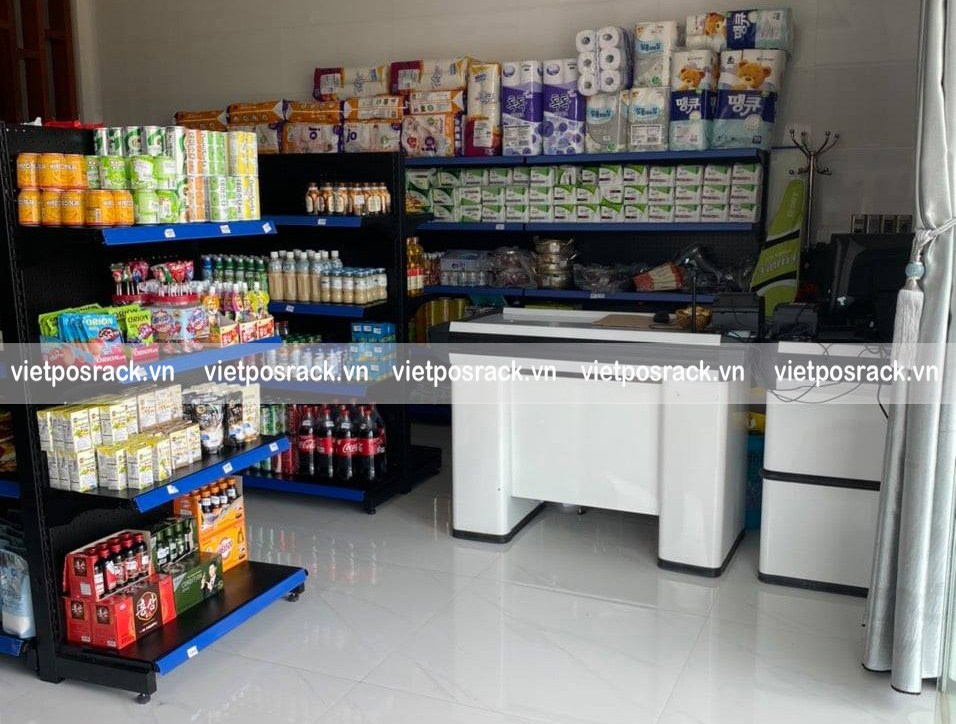
When opening your first retail store
Signage
People won’t visit your store if they don’t know where it is and what you’re selling. When opening your first retail store, you’ll need at least outdoor signage with your store’s name and logo. And you should also have some indoor signs indicating different items and categories so customers can easily find their way.
Display shelves
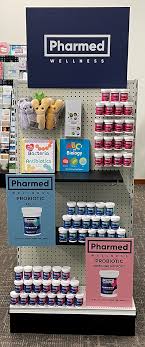
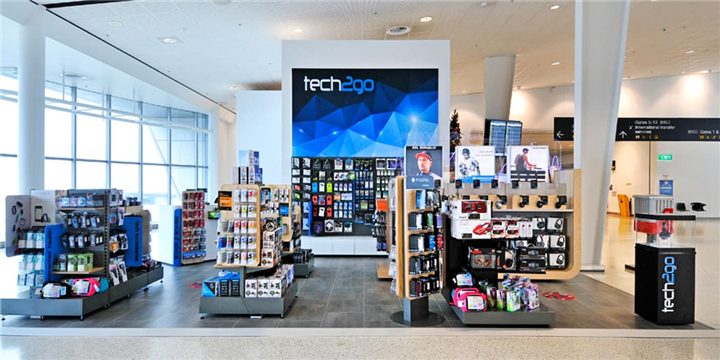
Display shelves are a fairly standard display solution for many types of products. Some types of clothing, books, music, and many other products can fit on them, making it easy for customers to find the product they are looking for.

See more: How to arrange display shelves in a supermarket scientifically, reasonably, and beautifully; How to arrange display shelves and retail store space creatively
Garment racks
If you plan to sell any type of clothing when opening your first retail store; garment racks offer another display solution. They allow customers to easily select certain types of clothing without having to fold them on shelves.
Hangers
If you plan to hang clothes on racks, you’ll also need hangers to go with them. They help us fix the racks in a fixed position; optimizing a large amount of space.

Point-of-Sale Solution
To process payments after opening your first retail store, you’ll need a top-notch point-of-sale solution. Some low-cost options for credit card processing for small businesses include Square and Breadcrumb.
Cash Register
You’ll also need a physical cash register or at least a secure drawer to store cash from transactions. Some POS systems already include these. But if you’ve opted for a lower-cost card processing solution, you’ll need to purchase one separately.
Pricing Gun
Unless you want to manually write out every price tag for every item in your store, a pricing gun is a must-have. A pricing gun allows you to enter prices and easily print tags for each item.
Shopping Bags
Whether you prefer paper or plastic, you’ll need some type of bag to provide to customers when they complete their purchases. You can buy generic bags or order custom bags with your store’s name and logo on them.

Display Cases
For expensive items or things you want to show off to customers, display cases are a great solution. They protect and display your items and can even do double duty as a checkout area.
Spinning Racks
Smaller items like keychains, jewelry, or even small books and CDs can be suitable for spinning racks; these are relatively small displays that customers can spin to view different items.
Mirrors
Selling any type of clothing or accessories, when you first open a retail store you will need at least a few mirrors around; so customers can see the items they are considering buying. Full-length mirrors should primarily be placed near clothing items, and smaller mirrors can accompany accessories.
Mannequins
The clothes you want to display can attract people’s attention if you put them on mannequins; instead of shelves or racks. You can even place them in windows to attract new customers into the store.

Special Displays
Some types of merchandise will also require special displays. For example, there are many different ways to display necklaces and other jewelry items. Or you may need dedicated racks for DVDs or similar media.
Stickers
You can use simple stickers in many different ways in retail stores. For example, if you are having a sale, you can use different colored dots to indicate different discount levels or prices; instead of printing out all new price tags.
Gift Wrapping Service
Customers visiting your store to buy gifts for others will appreciate it if you provide gift bags; or simple boxes and wrapping paper when they make a purchase.
Receipt Paper or Printer
You will also need to provide receipts for every purchase after opening your first retail store. A receipt printer can be part of your all-in-one POS system. However, some smaller retail stores instead opt for simple receipt paper that they can use to manually write out purchases.

Shopping Basket or Cart
Your shoppers will need a way to carry their purchases through the store if they’re going to buy multiple items. If you offer large items, you may need to provide shopping carts. But for smaller items, shopping baskets should do the trick.
Banners or Flags
If you’re having a sale, grand opening, or other event, you’ll need decorations that grab people’s attention. Banners, flags, or pennants are popular solutions for hanging outside a retail store or as part of your display.
Chairs
Many stores offer a seating area near the entrance or in the fitting room area. And of course, you’ll also need a place for you and your employees to sit during working hours.
Curtains or Room Dividers
If you plan to offer a fitting room area; this can be beneficial if you sell any type of clothing, you’ll need curtains or room dividers to enclose this area.
Crowd Control Posts
Queue posts can help you keep your checkout line organized and under control. You may only need them for special events; or busy seasons, but it’s a good idea to keep them on hand just in case.
Warehouse Shelving
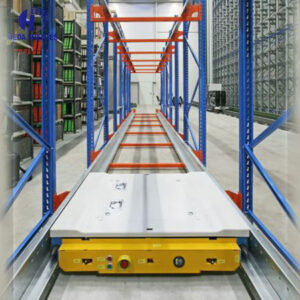
Pretty much every store has more inventory than what’s on display at any given time. So, you’ll also need some type of shelving; or organizational system to house your extra items in the backroom or behind your counter.

See more: The efficiency of pallet flow rack systems for every warehouse; VietPos Rack medium-duty shelving, a goods storage system in logistics
Cleaning supplies
No customer wants to shop in a dirty environment. So, you’ll need at least some basic cleaning tools to keep your floors, shelves, and items clean when you open your first retail store.
Website
Even stores that do most of their sales in person need a website; so people can actually find the store and learn a little about the items sold.
Social media presence
Social media has become essential for businesses to reach their target customers. For local retail stores, social media gives you the opportunity to update nearby customers about new items, discounts, and other promotions.
E-commerce site
Selling items online, in addition to your physical store, can really expand your customer base. Besides offering your items to people in different locations, having an e-commerce site allows you to offer a wider variety of items and cater to customers who prefer to shop online.
Shipping materials
Offering products online means you’ll need to be able to ship them. So, you’ll need boxes, envelopes, protective packaging, and any other items that allow you to safely ship any items you sell.
Shipping account
To make the shipping process easier, you should also set up an account with a shipping carrier. UPS, FedEx, and USPS all offer solutions for businesses that ship packages regularly. Having an existing account can save you time and even money during the shipping process.
Nearby bank
After your store closes for the day, you’ll need a place to deposit all the money you made that day. Set up an account with a bank near the store that offers after-hours deposit services, so you don’t have to keep that money and stay safe overnight.
Security system
Once you’ve stocked up on inventory and purchased all these supplies, the last thing you want is for no errors to occur during the sales process. A security system with cameras and an alarm system helps protect your items from theft and more.