

 Tiếng Việt
 中文 (Chinese)
 한국어
한국어 日本語
日本語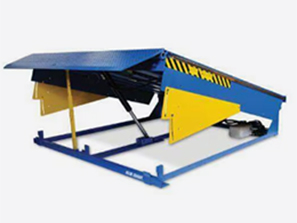
In any warehouse or logistics facility, efficient loading and unloading are vital to productivity. The dock leveler plays a key role in bridging the gap between a truck bed and the dock floor, ensuring smooth and safe cargo movement.
A properly designed and maintained dock leveler reduces accidents, prevents equipment damage, and keeps your operation running efficiently. This article covers essential dock leveler guidelines, including slope requirements, installation best practices, and maintenance recommendations for long-term reliability.
1. What Is a Dock Leveler and Why It Matters
A dock leveler is a mechanical or hydraulic platform installed at the edge of a loading dock. It compensates for height differences between the dock and a vehicle bed, allowing forklifts or pallet jacks to move in and out seamlessly.
Dock levelers are typically installed in logistics centers, factories, warehouses, and distribution hubs. Without them, operations face issues like unstable loading, delays, and worker injuries.
There are three main types:
-
Mechanical dock levelers: Operated manually with springs and levers — affordable and durable.
-
Hydraulic dock levelers: Use hydraulic power for smooth, effortless operation — ideal for heavy-duty use.
-
Air-powered dock levelers: Use an airbag system to raise/lower the platform — lower maintenance compared to hydraulics.
2. Dock Leveler Slope and Design Standards
The slope of a dock leveler determines how easily forklifts can travel over it. An incorrect slope can cause safety risks, equipment wear, and reduced efficiency.
According to industry standards (ANSI MH30.1 and OSHA recommendations):
-
The maximum slope should not exceed 10–12% when the dock leveler is in operation.
-
For manual pallet jacks, the slope should be 8% or less.
-
A transition lip angle of 5–7 degrees helps reduce vibration and protect goods during movement.
Formula to estimate slope:
Slope(%)=VerticalRiseHorizontalLength×100Slope (%) = frac{Vertical Rise}{Horizontal Length} times 100
For example, if your dock leveler lifts 12 inches over 8 feet (96 inches):
12/96=0.125=12.5%12 / 96 = 0.125 = 12.5%
That’s a safe incline for forklifts but too steep for manual jacks. Adjust the platform length or dock height accordingly.
A longer leveler provides a gentler slope and smoother vehicle transition.
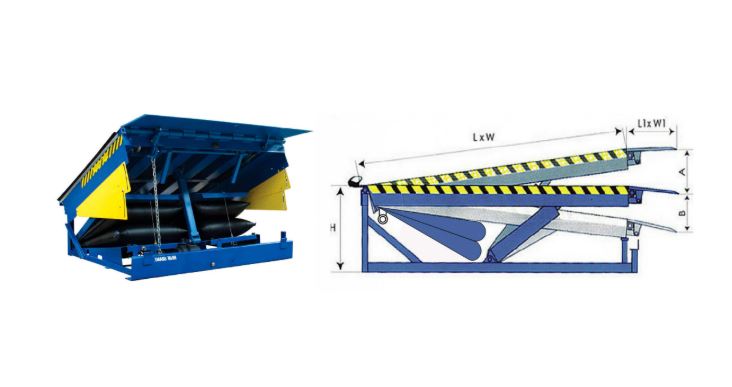
Dock Leveler Slope and Design Standards
3. Installation Best Practices
Proper installation determines both the performance and lifespan of a dock leveler. Here are key steps and recommendations:
a. Site Preparation
-
Ensure the pit size matches manufacturer specifications.
-
Verify concrete strength (usually 3,000–4,000 psi) to support heavy loads.
-
The pit should be clean, dry, and level before mounting the frame.
b. Frame and Platform Alignment
-
The leveler frame must be flush with the dock floor.
-
Check horizontal and vertical alignment using a laser or spirit level.
-
Weld or bolt the unit securely according to engineering guidelines.
c. Electrical or Hydraulic Setup
-
For hydraulic or air-powered levelers, connect power sources properly and test for leaks.
-
Ensure hydraulic hoses are protected from forklift movement.
d. Safety Checks
-
Test the lip extension and ensure smooth operation.
-
Verify safety stop systems and emergency release mechanisms.
-
Apply anti-slip paint or coating to the platform surface.
Proper installation ensures load stability, reduces mechanical stress, and prevents dock-edge damage.
4. Maintenance and Inspection Guidelines
Even the best dock levelers require regular maintenance. Scheduled inspections prevent breakdowns and extend lifespan.
a. Daily Checks
-
Inspect for oil leaks, unusual noise, or jerky movement.
-
Ensure the platform returns to its stored position correctly.
-
Clean debris, grease, or dirt buildup.
b. Monthly or Quarterly Maintenance
-
Lubricate pivot points, hinges, and hydraulic components.
-
Tighten bolts and check welds for cracks.
-
Inspect the lip hinge pin — one of the most stressed parts.
-
Check hydraulic oil level and replace if contaminated.
c. Annual Inspection
-
Test full operation cycle under load.
-
Replace worn seals, springs, or safety legs.
-
Repaint surface to prevent corrosion.
Following a preventive maintenance schedule ensures safe operation and minimizes costly downtime.
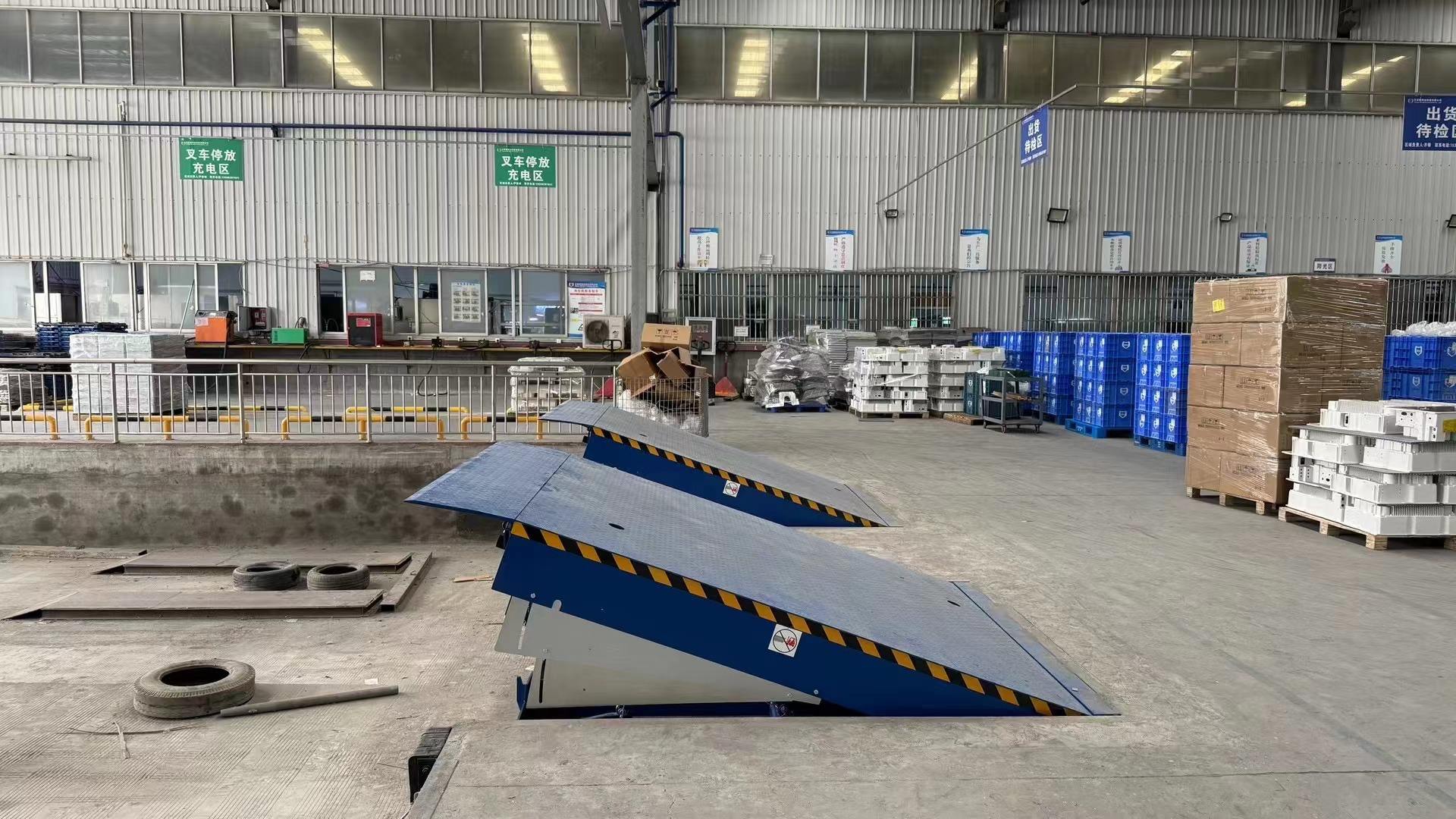
Maintenance and Inspection Guidelines
5. Safety Tips for Dock Leveler Operation
-
Never exceed the rated load capacity.
-
Ensure the truck or trailer is properly chocked before engaging the dock leveler.
-
Avoid standing beneath or beside the platform during operation.
-
Post visible safety signage and provide training to operators.
-
Maintain clear lighting in the loading area, especially at night.
6. Conclusion
A dock leveler is an essential link in any warehouse loading system. Choosing the correct slope, ensuring professional installation, and performing regular maintenance will guarantee safety, performance, and long-term durability.
For warehouses seeking high-quality dock leveler solutions, VietPos Rack provides precision-engineered hydraulic and mechanical models that meet global safety standards, designed for heavy-duty use and maximum reliability.
