

 Tiếng Việt
 中文 (Chinese)
 한국어
한국어 日本語
日本語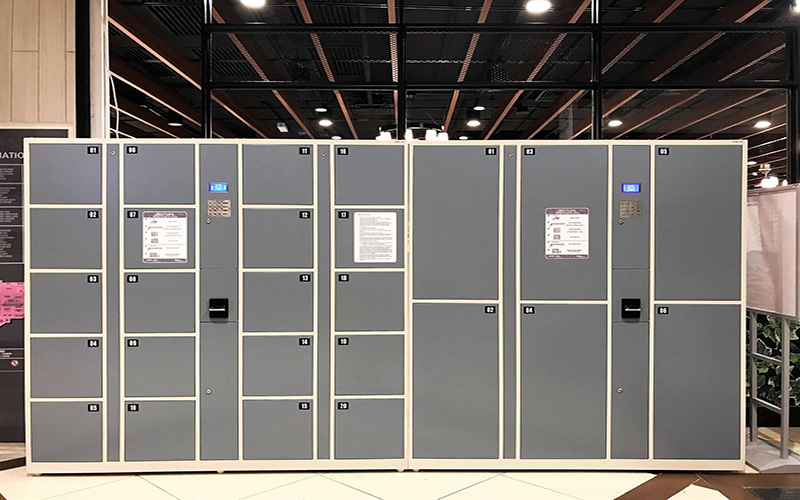
In today’s fast-paced business world — from offices and supermarkets to logistics centers — efficient storage and asset management have become essential. Companies are rapidly transitioning from traditional lockers to smart lockers, a new generation of intelligent locker systems that combine automation, connectivity, and security. Below, we explore why these advanced lockers are now a must-have for any modern organization.
1. From Traditional Lockers to Intelligent Locker Systems
Traditional lockers are simple: a key, a lock, and a compartment. While they serve basic storage needs, they fail to meet the growing demand for flexible access, centralized monitoring, and data integration.
Modern smart locker systems completely redefine storage by offering:
-
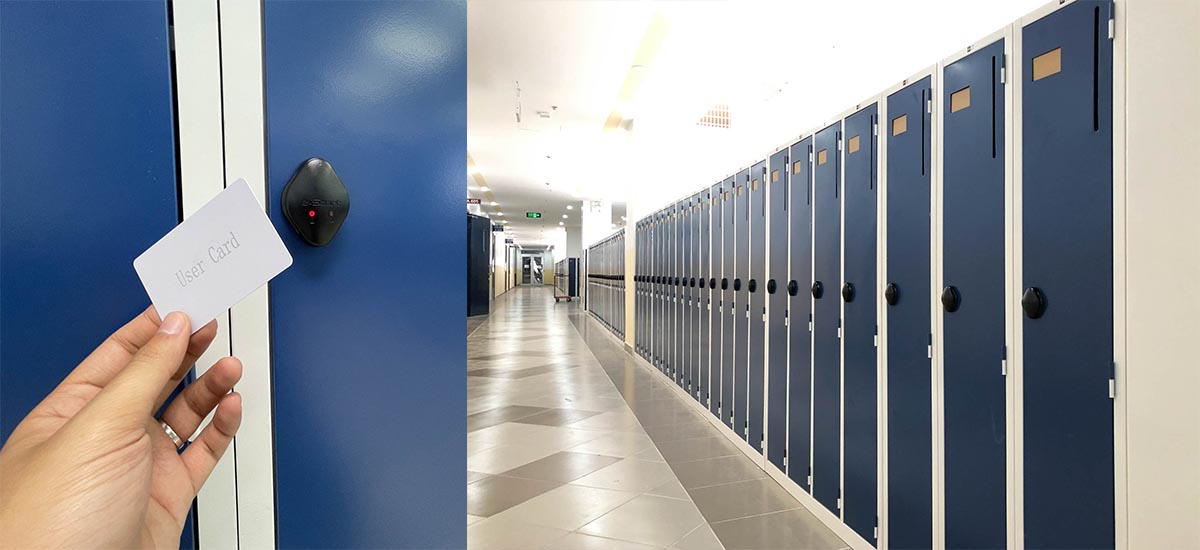
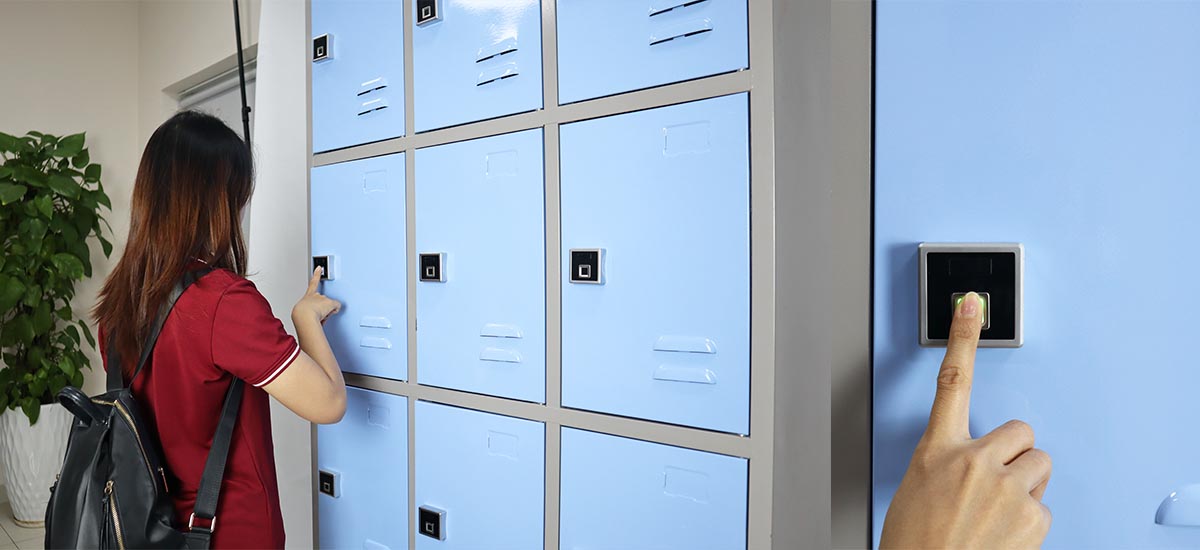
Automatic access via PIN code, RFID card, fingerprint, or mobile app.
-
Comprehensive tracking of all open/close activities by user and timestamp.
-
Modular, adjustable compartments with remote software management.
-
Seamless integration with asset tracking and delivery systems.
These features transform lockers from static furniture into dynamic management tools that boost efficiency and accountability.
2. Enhanced Security and Traceability
One of the biggest advantages of an intelligent locker is improved security. In offices, warehouses, or retail spaces, asset loss or theft often occurs due to uncontrolled access.
With smart lockers, every transaction is recorded — who opened the locker, when, and which compartment was used. This traceability dramatically reduces theft, improves accountability, and provides complete visibility across all storage operations.
For industries that require strict compliance — such as IT, healthcare, or manufacturing — the smart locker is not just convenient; it’s a critical tool for data and asset protection.
3. Efficiency Through Automation
Managing keys, logging usage manually, and overseeing multiple storage areas consume valuable time and resources. Smart locker systems automate the entire process:
-
Employees or customers can self-deposit or collect items 24/7.
-
Real-time tracking helps administrators monitor compartment usage and availability.
-
Reduced dependency on staff for locker management.
The result? Lower operational costs, faster workflows, and higher productivity across departments.
4. Modular Design for Space Optimization
As businesses grow, space management becomes increasingly complex. Intelligent locker systems are modular and scalable, allowing companies to expand easily by adding new units.
This modular design makes it easy to tailor locker configurations to specific needs — whether it’s employee storage, delivery pickup, or tool management — maximizing space utilization without clutter.
5. 24/7 Access and Contactless Operation
In the age of flexible work and contactless transactions, smart lockers enable users to access stored items anytime, anywhere.
They support:
-
24/7 pickup and delivery.
-
Contactless access through QR code, mobile app, or RFID card.
This not only enhances user convenience but also promotes hygiene and efficiency in shared environments such as offices, schools, or logistics hubs.
6. Data Analytics for Smarter Management
Unlike traditional lockers, intelligent lockers generate valuable operational data. Every user interaction is recorded and analyzed to help companies:
-
Understand locker utilization rates.
-
Redistribute unused compartments.
-
Schedule maintenance and optimize workflows.
This data-driven approach turns the locker into a strategic management asset, enabling smarter decisions and proactive planning.
7. Versatile Applications Across Industries
Smart locker systems can be customized for a wide variety of use cases:
-
Corporate offices: for laptops, files, or personal belongings.
-
Retail stores and supermarkets: for click-and-collect or returns.
-
Factories and warehouses: for tools, devices, and inventory tracking.
-
Residential buildings or universities: for parcel and mail management.
Their versatility makes them suitable for nearly any business model, improving both employee efficiency and customer satisfaction.
8. Cost-Effective and Long-Term ROI
While the initial investment in smart lockers may seem higher than traditional storage, the long-term benefits far outweigh the cost:
-
Reduced asset loss and theft.
-
Lower labor costs due to automation.
-
Extended product lifespan with durable materials.
-
Higher operational efficiency and customer convenience.
Many businesses report a return on investment within 12–18 months, proving that digital lockers are both practical and financially sound.
Conclusion
For organizations of all sizes, adopting intelligent locker systems offers undeniable advantages:
-
Maximum security and traceability
-
Automated, contactless workflows
-
Real-time data analytics
-
Flexible and scalable design
-
Seamless integration into digital infrastructure
Simply put, smart lockers are no longer a luxury — they are a necessity for secure, efficient, and modern business operations.
Looking to implement a customized intelligent locker solution for your office, warehouse, or retail space?
VietPos Rack specializes in the design, manufacturing, and global export of smart locker systems tailored to your specific storage and automation needs.
Contact VietPos Rack today to modernize your workplace with a secure and connected locker system.
