

 Tiếng Việt
 中文 (Chinese)
 한국어
한국어 日本語
日本語
.bp-stats{display:grid;grid-template-columns:repeat(auto-fit,minmax(160px,1fr));gap:14px;margin:24px 0;text-align:center}
.bp-stats > div{background:#f8fafc;border-radius:8px;padding:18px 12px;border:1px solid #e2e8f0}
.bp-stats .bp-stat-num{font-size:32px;font-weight:bold;color:#2563eb;line-height:1.1;margin-bottom:4px}
.bp-stats .bp-stat-label{font-size:13px;color:#475569}
.bp-customer-box{background:#f1f5f9;border-radius:8px;padding:16px 20px;margin:20px 0;border-left:4px solid #475569}
.bp-customer-box strong{color:#1e293b}
.bp-testimonial{background:#fef9e7;border-left:4px solid #f59e0b;padding:20px 24px;margin:28px 0;border-radius:6px;font-style:italic;color:#78350f;font-size:16px;line-height:1.6}
.bp-testimonial cite{display:block;margin-top:12px;font-style:normal;color:#92400e;font-size:13px;font-weight:600}
.bp-verdict-box{background:#dcfce7;border-left:4px solid #16a34a;padding:14px 18px;margin:16px 0;border-radius:6px;color:#14532d}
.bp-verdict-box strong{color:#15803d}
.bp-coverage-table{width:100%;border-collapse:collapse;margin:24px 0;font-size:14px}
.bp-coverage-table th{background:#475569;color:#fff;padding:10px;text-align:left}
.bp-coverage-table td{padding:9px 10px;border-bottom:1px solid #e2e8f0}
.bp-policy-grid{display:grid;grid-template-columns:repeat(auto-fit,minmax(220px,1fr));gap:14px;margin:24px 0}
.bp-policy-grid > div{background:#f0f9ff;border:1px solid #bae6fd;border-radius:8px;padding:16px}
.bp-policy-grid h4{margin:0 0 8px;color:#0c4a6e}
.bp-policy-grid p{margin:0;color:#0369a1;font-size:14px}
.bp-glossary{width:100%;border-collapse:collapse;margin:20px 0;font-size:14px}
.bp-glossary th{background:#f1f5f9;color:#1e293b;padding:10px;text-align:left}
.bp-glossary td{padding:10px;border-bottom:1px solid #e2e8f0;vertical-align:top}
.bp-glossary tr:nth-child(even) td{background:#fafafa}
Radio shuttle rack (automatic shuttle rack) is a semi-automated storage system that uses shuttle robots moving on rails to place pallets into and retrieve them from storage lanes without requiring forklifts to enter deep inside. This solution is especially suitable for warehouses with high volume and uniform SKUs such as beverages, frozen food, and FMCG, where storage density and throughput speed are top priorities.
What is Radio Shuttle Rack? Detailed Structure
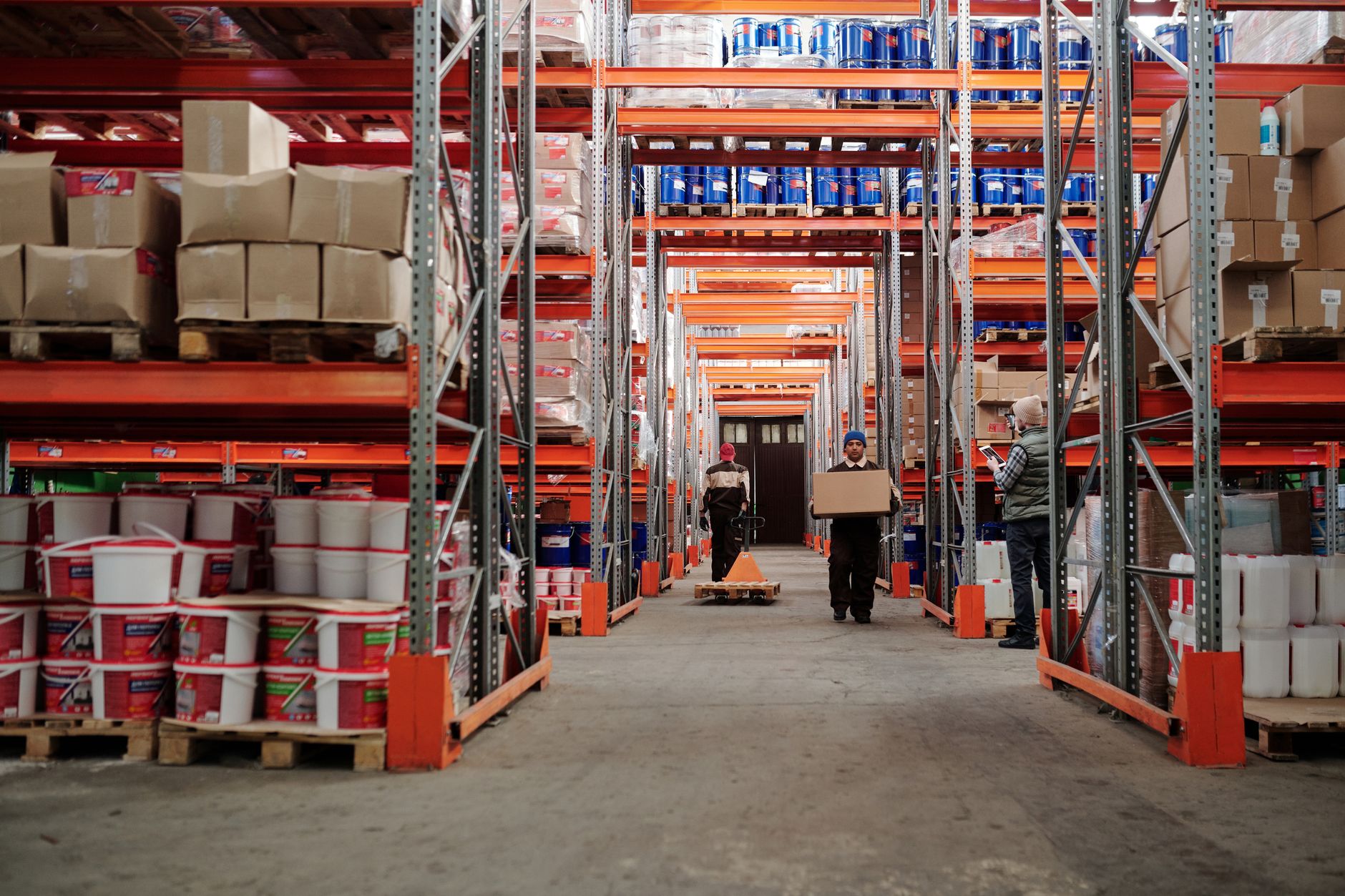
Radio shuttle rack is a system that combines drive-in racking with a battery-powered shuttle robot, controlled remotely via radio waves or a tablet. The robot automatically moves pallets to designated positions, helping the warehouse achieve a storage density of 80-90% of the floor area while minimizing the number of aisles.
The main structure includes:
- Robot shuttle: Each robot has a load capacity of 500-1,500 kg, runs on a 48V/60Ah lithium battery, with a charging time of 2-3 hours for 8-10 hours of continuous operation. The robot moves on rails within the storage lane and lifts/lowers pallets using a clamping mechanism or lifting platform.
- Drive-in rack frame: Q345 steel structure (yield 345 MPa), maximum height 12m, lane depth up to 40 pallets. Uprights are perforated, with X-bracing according to AS4084 standard.
- Control system: Central computer (tablet or PC) communicates with robots via WiFi or 2.4GHz radio waves. Integrated warehouse management software (WMS) sends real-time inbound/outbound commands.
- Battery & charging: The robot automatically returns to the charging station when the battery is low, with a full charge time of 2-3 hours. Charging stations are typically placed at the lane entrance and connect to a 220V/380V power supply.
- Safety: Emergency stop sensors, status indicator lights, and interlocks when the robot is in motion. Electrostatic powder coating surface of 60-80μm or hot-dip galvanizing of 80μm for cold storage environments at -30°C.
Operating principle: FIFO and LIFO
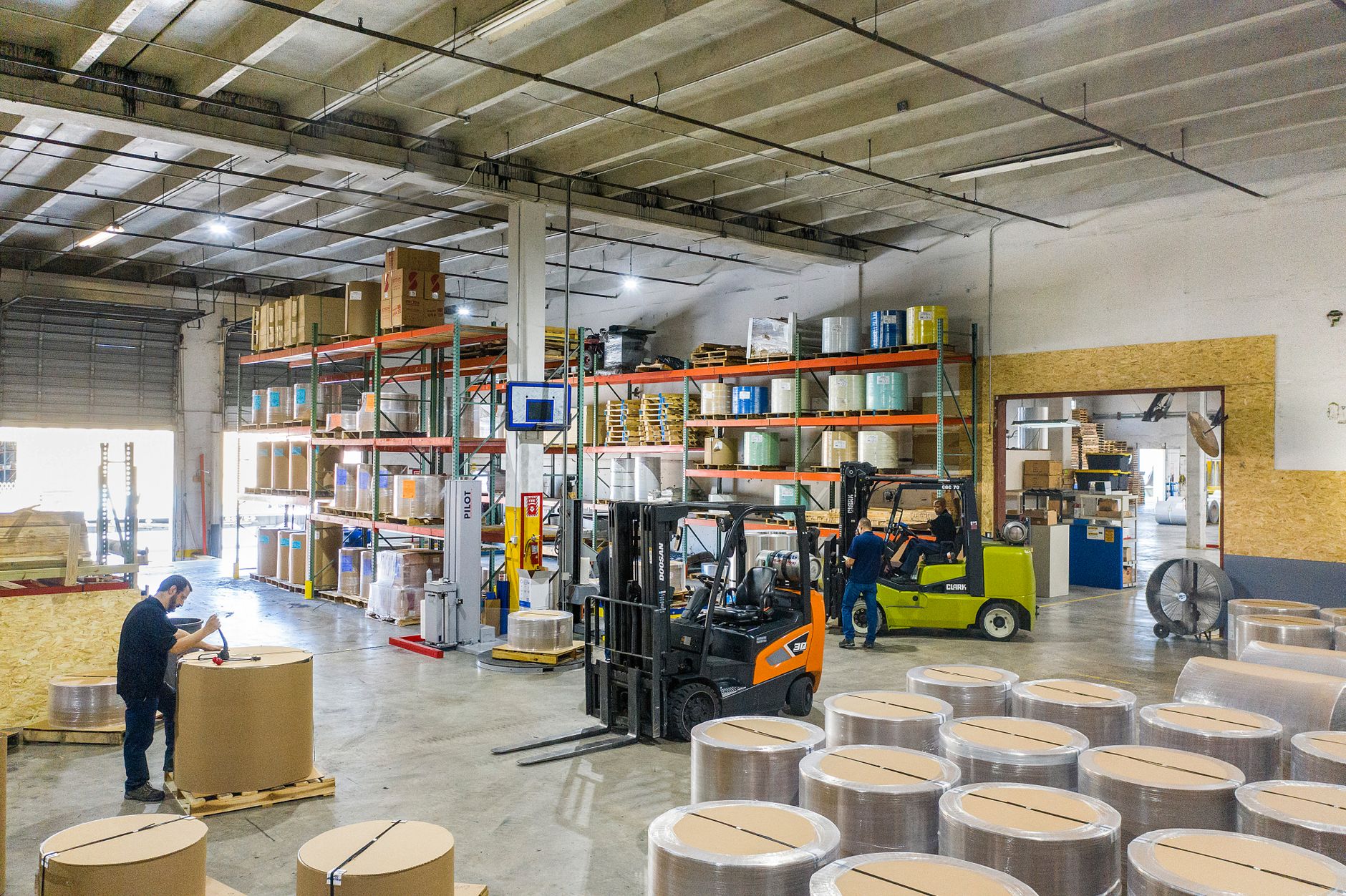
Radio shuttle rack supports both FIFO (First In First Out) and LIFO (Last In First Out) principles, depending on the lane configuration. With FIFO, the robot places pallets at one end of the lane and retrieves them from the other end; with LIFO, the robot loads and unloads from the same end.
FIFO (through lane): Suitable for products with expiration dates such as food, beverages, and pharmaceuticals. The shuttle robot receives pallets from the forklift at the input end, moves to an empty position in the lane, and releases the pallet. When retrieving, the robot takes the pallet from the output end (opposite side) and brings it out. Each load/unload cycle takes 30-60 seconds, 3-5 times faster than manual forklift operation.
LIFO (dead-end lane): Used for homogeneous goods that do not require fast turnover, such as production materials or empty pallets. The robot places pallets deepest first, and when retrieving, it takes the outermost pallet first. Storage density reaches 85-90% of warehouse floor area, 10-15% higher than traditional drive-in systems thanks to the robot’s flexible movement within the lane.
Comparison of Radio Shuttle with Drive-in and Selective Rack
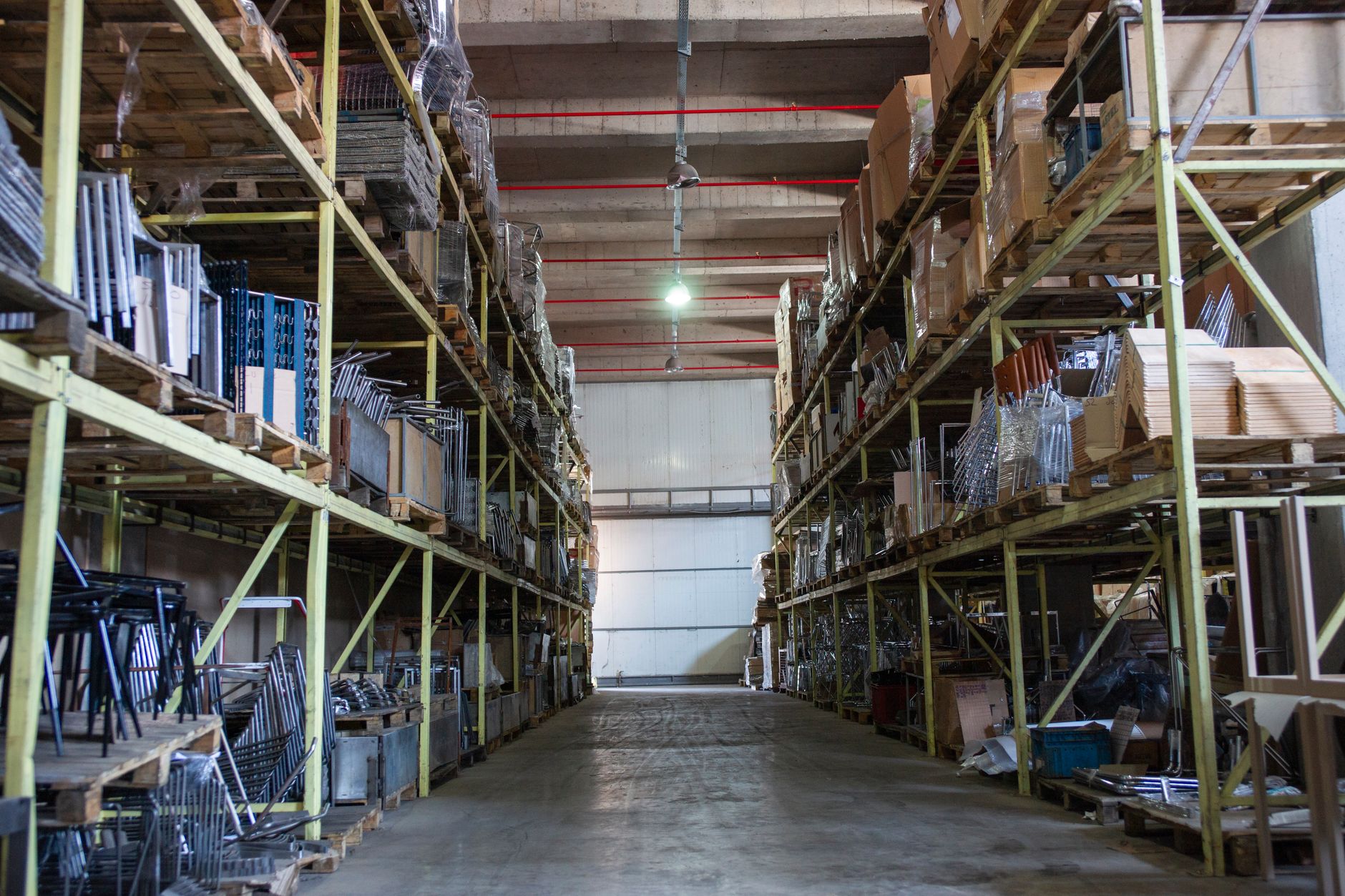
Radio shuttle rack offers 60-70% higher density than selective rack, but the initial investment cost is 30-40% higher than standard drive-in. However, superior operating speed and safety enable ROI within 2-3 years.
| Criteria | Radio Shuttle | Drive-in | Selective |
|---|---|---|---|
| Storage density | 80-90% | 70-80% | 40-50% |
| Accessibility | 1-2 SKUs per lane | 1 SKU per lane | 100% each pallet |
| Load/unload speed | 30-60 seconds/pallet | 2-5 minutes (forklift) | 1-2 minutes |
| Investment cost | High (robot + rack) | Medium | Low |
| Maintenance | Periodic every 6 months | Minimal | Minimal |
| Suitable for | Homogeneous SKUs, high volume | Homogeneous SKUs, slow turnover | Diverse SKUs |
Advantages and limitations of Radio Shuttle Rack
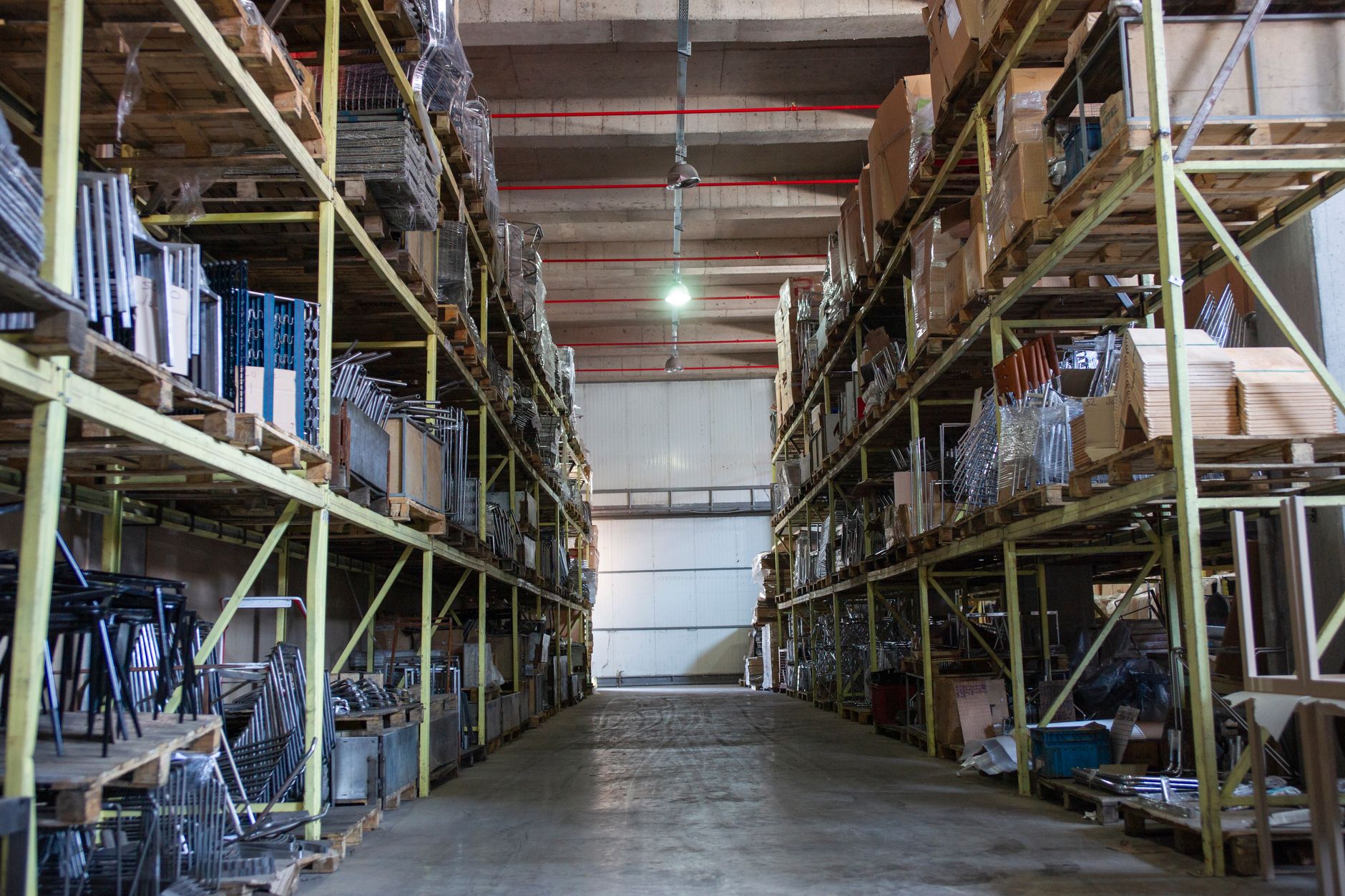
This system increases storage density by 80-90%, reducing loading/unloading time by 50-70% compared to traditional drive-in systems, but requires high initial investment and periodic robot maintenance.
Advantages:
- Maximum storage density: Only 1 main aisle needed, robots automatically place pallets deep into lanes, maximizing space utilization.
- High operating speed: Shuttle robots move at 0.5-1 m/s, each cycle takes 30-60 seconds, 3-5 times faster than forklifts.
- Labor safety: Reduces forklift collisions by 80%, robots have emergency stop sensors and interlocks.
- FIFO/LIFO flexibility: Easy mode switching via software, suitable for various types of goods.
- Cold storage compatible: Robots withstand -30°C, lithium batteries operate stably, no heating required.
Limitations:
- High investment cost: Each shuttle robot costs 20,000-40,000 USD, high-quality drive-in racking costs 30-50% more than selective rack.
- Periodic maintenance: Robots require battery, sensor, and guide rail checks every 6 months. Technical teams must be trained.
- SKU limitation: Each lane holds only 1-2 SKUs, not suitable for warehouses with diverse products.
Real-world application: Brewery case study in Vietnam
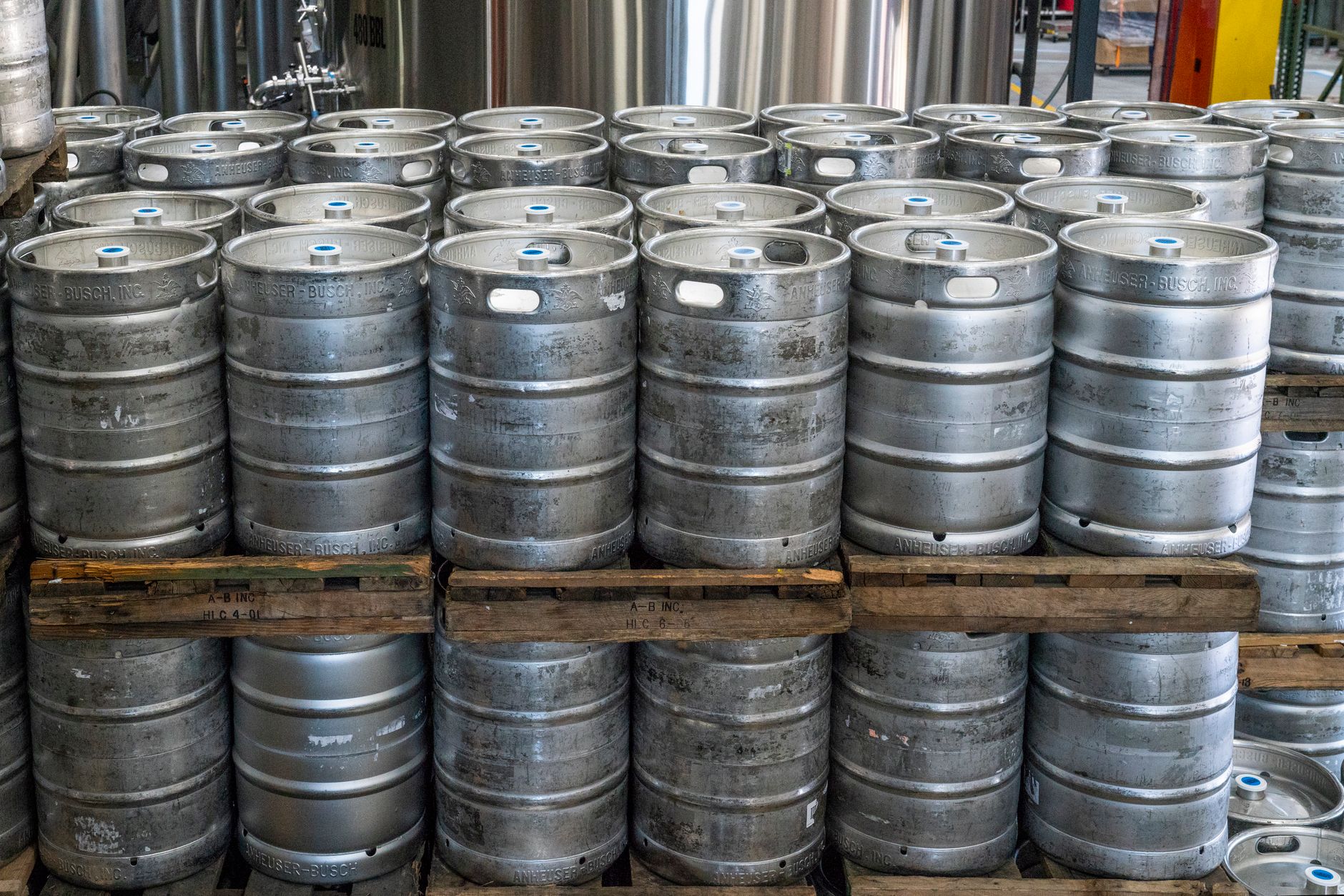
A brewery in Binh Duong has a 3,000m² warehouse storing 15,000 pallets of finished goods. Previously using drive-in racking, forklifts took 3-5 minutes per pallet, with a throughput of 20 pallets/hour. After switching to radio shuttle rack, throughput increased to 60 pallets/hour, and warehouse density increased from 70% to 85%.
Deployed solution:
- Used 4 Autosat SAT.1010 shuttle robots (1,000 kg load capacity) for 8 FIFO lanes, each lane 20 pallets deep.
- Drive-in racking made of Q345 steel, electrostatic powder coating 80μm, height 9m, bay width 2.7m.
- WMS control system integrated with the factory ERP, automatically prioritizing pallet dispatch by production date.
- Results: Warehouse dispatch time reduced by 50%, operating staff reduced from 6 to 2 people per shift, ROI achieved in 18 months.
Viet POS Rack provided the shuttle rack solution for this factory, ensuring compliance with AS4084 and ISO 9001:2015 standards. Technical guide to selecting selective rack for industrial warehouses 2026 can be referenced for warehouses with diverse SKUs.
Summary table: Radio Shuttle vs other solutions
| Term | Definition | Application example |
|---|---|---|
| Radio Shuttle Rack | Drive-in rack system combined with automatic shuttle robots | Beer, beverage, and frozen food warehouses |
| Drive-in Rack | High-density storage rack, forklifts enter the lanes | Plastic raw material warehouses, empty pallets |
| Selective Rack | Rack with 100% access to each pallet, low density | 3PL, warehouses with diverse SKUs |
| Push-back Rack | Gravity-fed rack, pallets slide on slopes | FMCG warehouses, FIFO requiring high speed |
| Shuttle Robot | Shuttle robot moving on rails, carrying pallets | Autosat SAT.0812, 800 kg load |
Common mistakes when implementing Radio Shuttle
Many businesses invest in shuttle rack but do not accurately calculate cargo volume, arrange lanes improperly, or neglect robot maintenance, leading to low efficiency and additional costs.
- Choosing the wrong FIFO/LIFO principle: If goods have a short shelf life and LIFO is used, old pallets will remain in storage for a long time, causing damage. Requirements must be clearly defined before design.
- Lack of WMS synchronization: Shuttle robots require management software to optimize routes. If only manual control is used, productivity drops by 30-40%.
- Neglecting battery maintenance: Lithium batteries need proper charging cycles and temperature checks. Otherwise, battery life decreases from 3 years to 1-2 years.
- Lanes too deep: With lanes deeper than 30 pallets, robot travel time increases, reducing throughput. The optimal is 20-25 pallets per lane.
- Lack of robot backup plan: If a robot fails, the entire lane stops operating. There should be 1-2 backup robots or a temporary manual forklift solution.
Frequently Asked Questions
Is radio shuttle rack suitable for cold storage at -30°C?
Yes. Việt POS Rack shuttle robots are designed with lithium batteries that operate stably at -30°C, cold-resistant circuit boards, and 80μm hot-dip galvanized steel shells that resist corrosion. The system has been deployed in many food cold storage facilities in Vietnam.
How much does a radio shuttle rack investment cost?
Cost depends on the number of robots, warehouse size, and complexity. Each shuttle robot ranges from 20,000-40,000 USD, and high-quality drive-in rack adds 30-50% compared to selective rack. Contact Việt POS Rack for a free quote and 3D layout design.
How is shuttle robot maintenance performed?
Periodically every 6 months: check batteries, sensors, guide rails, and lubricate the lifting mechanism. Lithium batteries need proper charging cycles and replacement after 3-5 years. Việt POS Rack provides maintenance contracts and operator training.
Can radio shuttle rack be combined with AGV?
Yes. Shuttle robots receive pallets from forklifts or AGVs at the lane entrance. The system can integrate with automatic guided vehicles (AGV) to fully automate the inbound/outbound process, reducing operating labor by 80%.
What is the implementation time and warranty?
Free 3D design within 48 hours, production takes 15-30 days, installation 3-7 days depending on scale. 24-month warranty on the entire system, 24/7 technical support. Việt POS Rack has installation teams in HCMC, Hanoi, Da Nang, Can Tho.
Contact Việt POS Rack now at 0796 700 777 or email info@vietposrack.vn for free consultation and complimentary 3D warehouse layout design. Get a quote within 48 hours.
