

 Tiếng Việt
 中文 (Chinese)
 한국어
한국어 日本語
日本語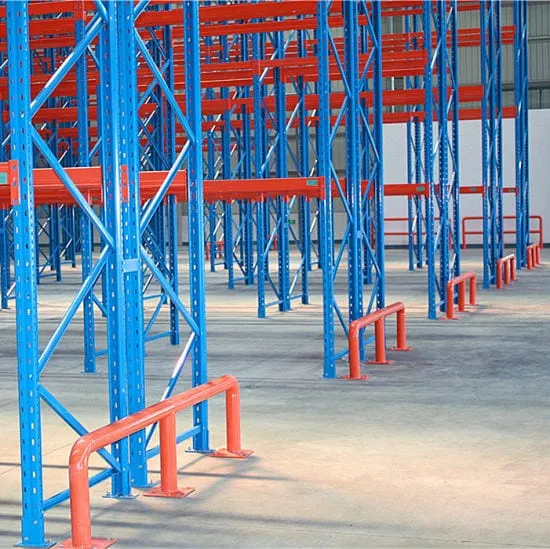
Effective warehouse management involves not only storing and handling goods but also protecting the pallet racking system. Pallet racks are the backbone of a warehouse, organizing, storing, and facilitating the movement of goods efficiently. However, using heavy operational equipment such as forklifts, pallet jacks, or other machinery carries the risk of collisions, which can damage racks and endanger both employees and inventory.
Damage to pallet racking not only results in material losses but also directly impacts workplace safety, operational efficiency, and the longevity of the warehouse. Therefore, implementing preventive measures is essential to maintain a safe, orderly, and efficient working environment.
This article from Viet Pos Rack details tips, methods, and protective equipment for pallet racks, covering everything from selecting the right racking system, adding protective devices, optimizing warehouse layout, to training staff and daily monitoring.
1. Choose the Right Racking System and Optimize Your Warehouse
Not all pallet racks or storage systems meet the specific needs of every warehouse. When designing or upgrading a facility, selecting the appropriate racking system is the first and most important step to minimize damage.
Warehouses vary in size, load capacity, and types of goods, requiring tailored racking solutions. Undersized or low-capacity racks can bend, warp, or even collapse under heavy loads. Conversely, oversized or incompatible racks may slow down operations and increase the risk of collisions.
To optimize your warehouse, consider the following:
-
Assess existing racks: Check maximum load capacity, material, and the durability of frames and beams.
-
Customize racks: Invest in racks designed or adjusted specifically for your pallet types and products, including modifying size and shelf spacing.
-
Ensure material handling access: The warehouse layout should allow forklifts and other equipment to move freely without colliding with racks.
Using an optimized racking system from the start helps prevent damage from overloading, collisions, or improper storage, enhancing work efficiency and protecting your assets in the long term.

Regular monitoring and maintenance help prevent major damage, extend the lifespan of racks, and protect inventory.
2. Install Rack Protection Equipment
Even with a high-quality racking system, adding protective devices can further enhance safety and prevent unnecessary damage to pallet racks. Common protective equipment includes:
-
Column guards and rack protectors: Reduce the direct impact when forklifts or other vehicles collide with rack columns.
-
Pallet stop bars: Prevent products from sliding off or crushing other pallets while increasing the stability of goods on the racks.
-
Steel corner guards: Installed at high-collision corners to provide high impact resistance and protect racks in areas with frequent vehicle movement.
-
Column guards: Available in various shapes and sizes, these protect columns located along aisles.
-
Rub rails: Horizontal bars that absorb impacts at the base of the rack frame, preventing columns from bending or twisting due to collisions.
-
Cantilever leg frames: Aisle-end columns with inward-curved bottoms, providing extra clearance for forklift forks.
-
Row-end protectors: Steel angle bars bolted to the floor to limit or reduce damage caused by warehouse vehicles.
-
Rack protectors: Shield vulnerable areas from potential impacts and reduce the risk of structural damage.
-
Seismic bracing: Strengthens structural stability in earthquake-prone areas.
-
Safety netting: Prevents items from falling between or behind racks, protecting work areas and pedestrian aisles.
-
Highway-style guard rails: Steel rails that protect personnel, equipment, and machinery from falling goods during collisions while also reinforcing the rack structure.

Installing these protective devices helps minimize damage to frames, beams, pallets, and goods, extending the lifespan of the racking system. This improves productivity, safeguards assets, and ensures overall warehouse safety.
3. Optimize Warehouse Layout and Lighting
A well-organized warehouse layout and adequate lighting are crucial for reducing the risk of collisions and rack damage. Warehouses often have narrow spaces or blind corners, which can lead to accidents if operators are not careful.
Measures to improve safety include:
-
Adjust warehouse layout: Identify areas prone to damage or accidents and redesign aisles, spacing between racks, and pallet locations to optimize material flow.
-
Enhance lighting: Install lights along aisles, in blind spots, and in areas with heavy vehicle movement.
-
Observation mirrors: Place mirrors at intersections or around corners to help drivers see clearly while navigating.
-
Safety signage: Use signs to indicate speed limits, hazardous areas, blind corners, or operational rules.
These measures help operators work more safely, reduce direct collisions with racks, and minimize damage.
4. Keep Aisles Clean and Clear
A tidy warehouse not only boosts efficiency but also prevents accidents and rack damage. Disorganized pallet stacks, debris, or fallen materials force drivers to stop or maneuver around obstacles, increasing the risk of collisions.
Simple yet effective measures include:
-
Regular cleaning routines: Employees clean up after use, or assign staff for daily sweeping.
-
Ensure clear aisles: Avoid placing obstacles in forklift pathways or traffic areas.
-
Organize pallets and materials: Keep items in designated areas for easy retrieval and orderly storage.
5. Train Warehouse Staff
Properly trained staff operate forklifts and move pallets more safely, reducing the risk of collisions and rack damage.
Key training considerations:
-
Initial training: Introduce safety rules, forklift operation guidelines, and proper pallet handling practices.
-
Ongoing training: Annual refresher courses or certifications reinforce skills and safety awareness.
-
Area- or equipment-specific training: Highlight potential hazards in narrow spaces, corners, or when using specialized machinery.
A responsible training program develops conscientious employees. Emphasizing rules, instructions, and best practices for forklift operation from the start fosters a culture of safety and accountability. Investing time and effort in initial training can prevent costly accidents over the long term.
Training should not be limited to new employees. Continuous training, such as refresher courses and annual certifications, ensures that experienced forklift operators maintain safe and responsible practices.
Additionally, prioritize both general guidelines and more specific lessons related to certain equipment or areas in the warehouse. A comprehensive training program encourages responsible operation and minimizes warehouse accidents.

A comprehensive training program fosters employee accountability, promotes a culture of safety, and reduces the risk of accidents.
6. Implement Effective Operational Procedures
Preventing pallet rack damage depends not only on equipment but also on the awareness and execution of the entire team.
Effective methods include:
-
Establish and maintain standard procedures: Include operating instructions, safety signage, and reminders about speed limits.
-
Supervise and lead by example: Managers and experienced staff follow procedures correctly to inspire newcomers.
-
Regular updates and reminders: Ensure all employees consistently comply with daily safety measures.
Consistent enforcement helps create a responsible and safe work environment, reducing the risk of pallet rack damage.
7. Follow Load Limits and Properly Arrange Goods
Maintaining stable pallet racks requires proper loading practices. Key points include:
-
Clearly label load capacities: Helps employees recognize and avoid overloading.
-
Safe stacking guidelines: Place heavy pallets on lower levels, lighter pallets on upper levels, and balance loads evenly.
-
Training on load awareness: Employees should understand the importance of adhering to load limits to prevent damage and accidents.
8. Monitor Wear and Conduct Regular Inspections
Small impacts, scratches, and daily wear can accumulate into serious damage if unchecked.
Recommended steps:
-
Weekly inspections: Detect early signs of damage and address them promptly.
-
Annual comprehensive inspections: Monitor and maintain the entire racking system.
-
Anonymous reporting systems: Encourage staff to report damage without fear of penalty, enabling quick detection of issues.
Benefits of Proper Pallet Rack Protection
Protecting pallet racks in the warehouse is not just a preventative measure—it’s a strategic factor for ensuring safety, optimizing operations, and improving warehouse management. Properly protected racks maintain goods and equipment in optimal condition, reducing damage from collisions, overloading, or improper stacking. This minimizes risks to employees, prevents unnecessary accidents, and fosters a safe, professional work environment.
Additionally, rack protection extends the system’s lifespan, reducing repair or replacement costs and saving on long-term operational expenses. A well-organized warehouse, stable pallet racks, and smooth material flow streamline loading and unloading processes, enhancing workforce efficiency. Coupled with employee training on safe operating practices and rack protection, this builds accountability, discipline, and professionalism. Ultimately, proper pallet rack protection also helps businesses minimize financial losses, prevent inventory damage, and reduce costs from accidents or equipment failure. Overall, it’s a comprehensive strategy that ensures safety while optimizing operational efficiency and cost management in the warehouse.
Conclusion
Pallet rack damage poses significant risks to employees, inventory, and warehouse operations. However, by choosing the right racking system, installing protective equipment, optimizing layout and lighting, maintaining clear aisles, training staff, and conducting regular monitoring, you can significantly reduce risks and maintain a safe, efficient warehouse.
To learn more about solutions for warehouse optimization and pallet rack protection, contact Việt Pos Rack today. We provide customized solutions to boost productivity, safeguard assets, and ensure safety throughout your warehouse.
