

 Tiếng Việt
 中文 (Chinese)
 한국어
한국어 日本語
日本語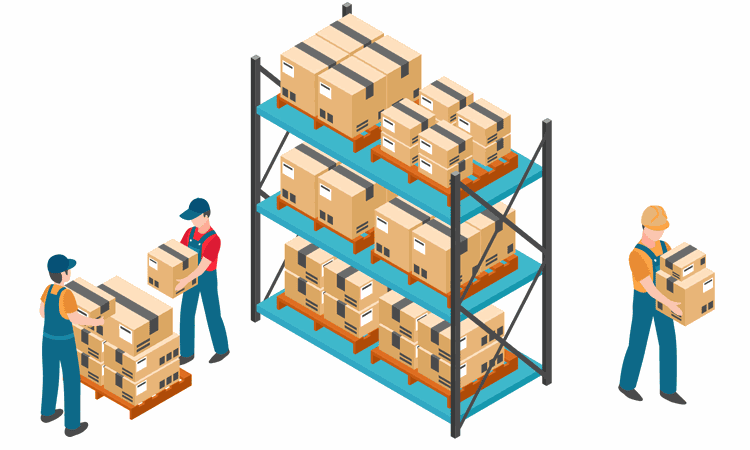
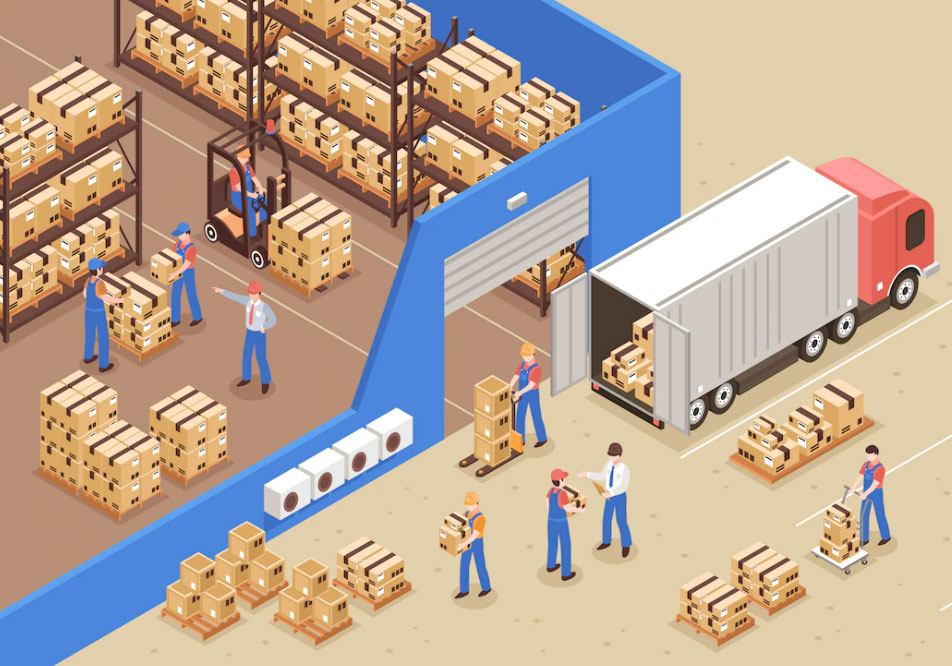
In business operations, the warehouse acts as the “heart” of the supply chain. A well-organized warehouse not only helps preserve goods better but also speeds up inbound and outbound processes, minimizes errors, and saves operating costs. Many businesses still face difficulties due to cramped warehouses, disorganized goods, or a lack of clear procedures, leading to employees spending a lot of time searching for and processing orders. In fact, by simply applying some smart warehouse layout principles, you can completely reduce inbound and outbound time by up to 20%, thereby improving business efficiency.
1. Classify and arrange goods logically
The first step to optimizing a warehouse is to classify goods by characteristics, size, and frequency of outbound shipments. Frequently moved goods should be placed near the receiving and shipping area to reduce travel distance. Conversely, infrequently used goods can be placed in a more distant or elevated area. This arrangement not only helps employees save search time but also ensures a smooth workflow, avoiding congestion during peak hours.
2. Use appropriate warehouse shelving for each type of goods
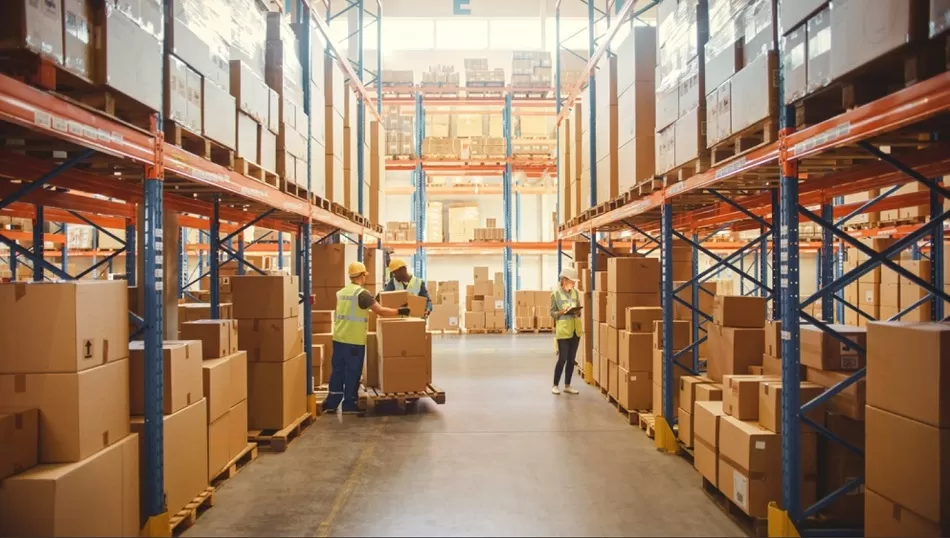
Warehouse shelving is a core factor in optimizing storage space. Heavy-duty, medium-duty, or light-duty shelving should be chosen depending on the nature of the goods. For example, heavy-duty shelving is suitable for large quantities of palletized goods with high weight; medium-duty shelving is suitable for spare parts and components; light-duty shelving is ideal for handicrafts or small-weight products. Using the correct type of shelving not only ensures safety but also maximizes warehouse space utilization.
The racking system is the foundation of every warehouse optimization solution. The choice of shelving should be based on the weight of the goods, the inbound/outbound method, and the lifting equipment used.
-
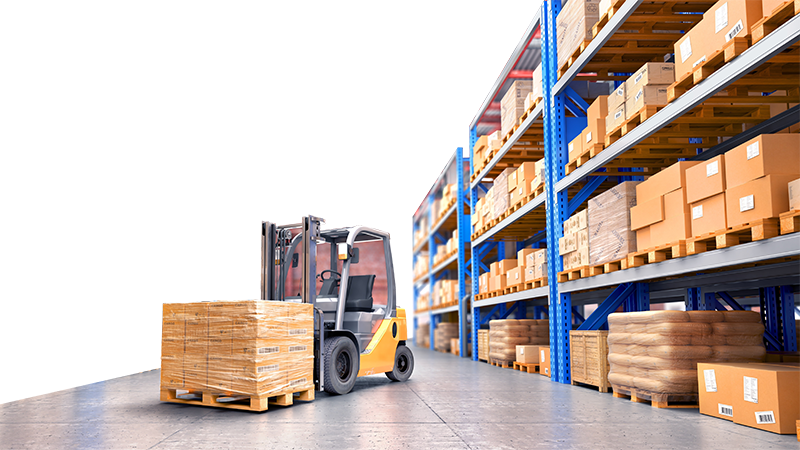
Selective Pallet Racking: load capacity 800–2500 kg/pallet, suitable for warehouses with many different types of goods, requiring direct access to each pallet. Most commonly used due to its high flexibility.
-
Drive-in/Drive-thru Racking: optimizes high-density storage of homogeneous goods, reduces aisle space but requires LIFO or FIFO inbound/outbound principles.
-
Double Deep Racking: stores 2 pallets deep, reduces the number of aisles but still allows relatively flexible access.
-
Medium-duty and light-duty shelving: suitable for goods packed in cartons, with a load capacity of 200–800 kg/tier, operated manually, used in spare parts warehouses or e-commerce warehouses.
-
Cantilever racks: specialized for long, bulky goods such as steel pipes, wood, and construction materials.
3. Applying technology in warehouse management
Combining warehouse management software (WMS) with barcode scanners or RFID helps businesses accurately control the location, quantity, and status of goods. Thanks to technology, employees can find products in seconds instead of spending minutes searching manually. In addition, real-time data updates support more accurate inbound and outbound planning, avoiding excessive inventory or shortages.
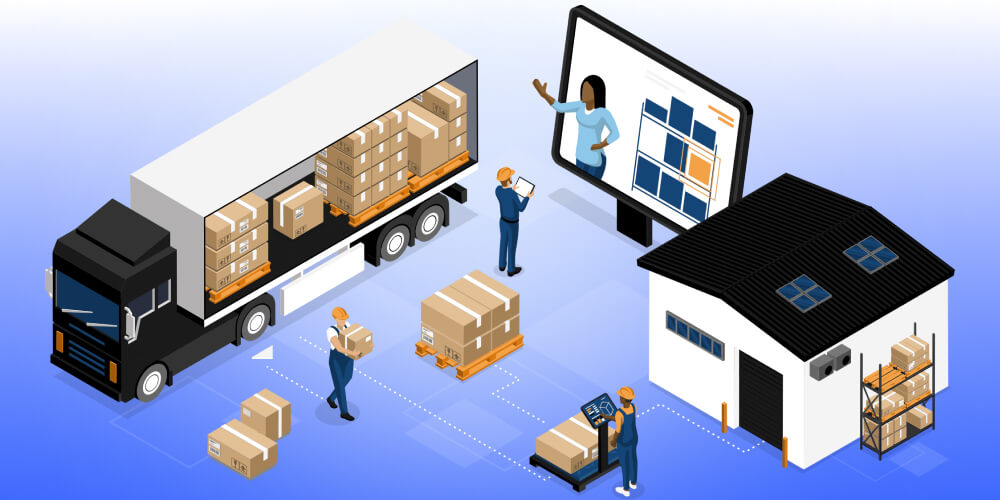
An efficiently operating warehouse must also ensure safety. Standards such as FEM 10.2.02 (Europe) or RMI (USA) regulate the load capacity, deflection, and bearing capacity of racks. In addition, anti-collision bars and column protectors should be installed at corners and aisles. Lighting systems, signs, and painted lane markings also contribute to improving safety and movement speed in the warehouse.
In addition to WMS, modern warehouses can apply pick-to-light, voice picking, or automated guided vehicles (AGVs) to shorten picking times. These solutions are particularly useful in e-commerce warehouses or fast-moving consumer goods (FMCG) warehouses, where order processing speed is a competitive factor.
4. Optimizing aisle and work area design
Aisles in the warehouse need to be wide enough for forklifts or trolleys to move conveniently, but not too wide to waste space. Clearly defining receiving, counting, storage, and shipping areas helps avoid overlapping processes. In large warehouses, numbering, signage, and color-coding areas are also effective solutions for employees to quickly locate items.
The aisle width needs to be calculated based on the type of forklift or transport vehicle used. For example, a warehouse using a reach truck requires an aisle width of 2.7–3 m, while a counterbalance forklift requires 3.2–3.6 m. Applying the principle of one-way traffic flow helps avoid congestion and collisions, especially in the receiving and shipping areas. The warehouse layout should be designed so that fast-moving goods are located near the shipping point to reduce transport distance.
5. Train staff and maintain warehouse discipline
Even with a scientifically arranged warehouse, maximum efficiency is difficult to achieve if the staff lacks skills and organizational awareness. Businesses should regularly train on work processes, provide instructions on using equipment, and emphasize the importance of adhering to the warehouse layout. In addition, regular inspection and adjustment of the arrangement as needs change are also important factors.
6. Benefits for businesses
A smartly arranged warehouse not only saves up to 20% of import and export time but also reduces labor costs, limits damage, increases accuracy, and improves customer satisfaction. This is a long-term investment for businesses, especially in a competitive market where delivery speed is a decisive factor. With experience in deploying racking systems and warehouse management solutions for many industries, Viet Pos is always ready to accompany you in building an optimal warehouse, operating efficiently, and ready to meet increasing business needs.
