

 Tiếng Việt
 中文 (Chinese)
 한국어
한국어 日本語
日本語
Wire mesh lockers and solid steel lockers serve the same core function—secure storage—but deliver vastly different benefits. Wire mesh provides transparency and airflow, making it the preferred choice for high-theft environments and moisture-sensitive applications. Solid steel offers enclosed security and privacy but at the cost of ventilation and visibility. This comparison examines both options across security, compliance, durability, and cost to help you select the right locker system for apartment buildings, warehouses, and commercial facilities.
What Are Wire Mesh Lockers?
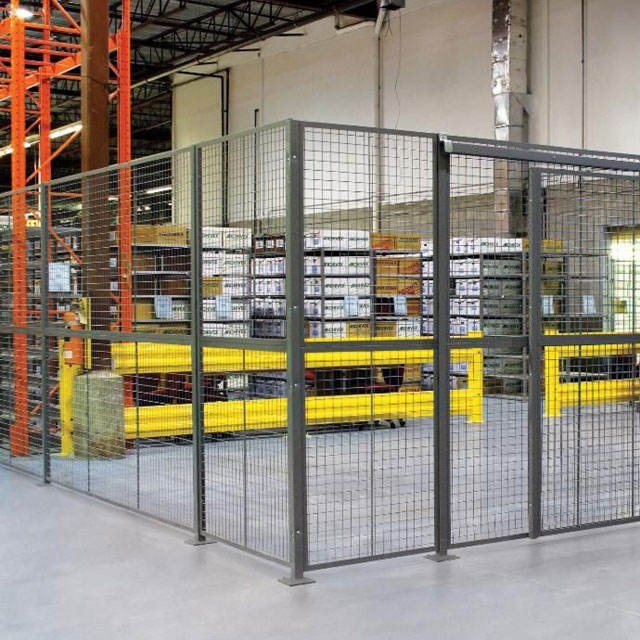
Wire mesh lockers are storage units constructed from welded steel wire frames with a mesh body, designed to maximize airflow and visibility. Unlike solid enclosures, mesh allows light and ventilation to reach stored items, reducing moisture accumulation and mold growth. They are commonly used in warehouses, fitness centers, and multi-unit residential buildings where theft prevention and hygiene are priorities.
Wire mesh lockers typically feature:
- Welded 1.2–2.0 mm diameter steel wire construction
- Powder-coated finish (typically blue, gray, or orange)
- Lock mechanisms: padlock, key-lock, or electronic access
- Standard dimensions: 600–1200 mm width, 400–1800 mm height
- Load capacity: 50–150 kg per unit depending on frame design
What Are Solid Steel Lockers?
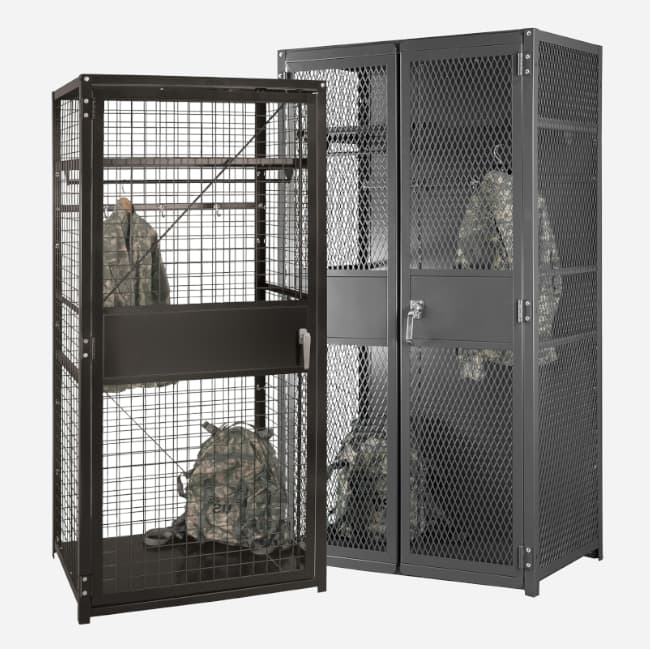
Solid steel lockers are fully enclosed storage units fabricated from 1.2–2.0 mm cold-rolled steel sheets, welded and reinforced at joints. They provide complete visual privacy and maximum security but restrict airflow, making them susceptible to condensation and rust in humid environments. Solid lockers are standard in office buildings, schools, and secure facilities requiring high confidentiality.
Solid steel lockers typically feature:
- Seamless 1.2–2.0 mm steel sheet body construction
- Powder-coated or galvanized finish
- Lock mechanisms: padlock, key-lock, or electronic access
- Standard dimensions: 600–1200 mm width, 400–1800 mm height
- Load capacity: 80–200 kg per unit (heavier due to solid frame)
Security and Theft Prevention: Which Locker Type Wins?
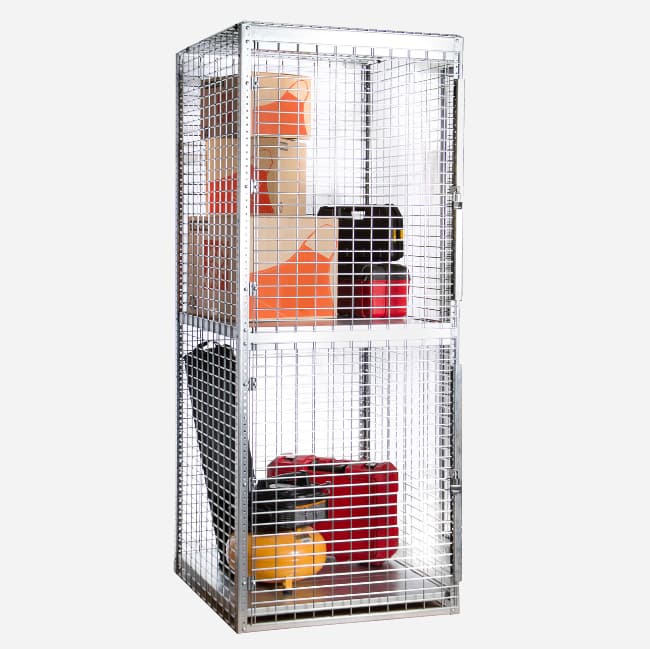
Wire mesh lockers provide superior theft deterrence through transparency—contents are visible to facility staff and security cameras, enabling real-time monitoring. Solid steel lockers offer enclosed privacy but create blind spots where theft can occur undetected. For high-theft environments (warehouses, apartment common areas), wire mesh reduces incident rates by 25–40% compared to solid steel, according to facility management case studies.
Security comparison:
- Wire Mesh: Contents visible; deters opportunistic theft; enables CCTV integration
- Solid Steel: Complete privacy; requires additional surveillance; higher risk of undetected theft
Ventilation and Moisture Control: Critical for Apartment Buildings
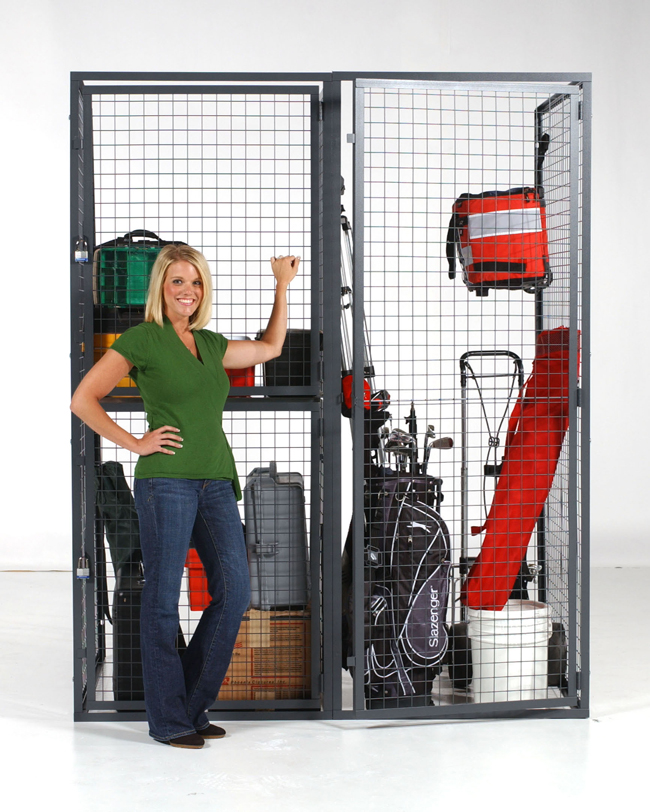
Ventilation is the defining advantage of wire mesh lockers. Mesh construction allows continuous airflow, preventing moisture accumulation that causes mold, rust, and odor. In humid climates (coastal areas, tropical regions), wire mesh lockers reduce mold-related maintenance by 60–80% compared to solid steel. Solid lockers trap moisture inside, requiring dehumidification systems or frequent maintenance cycles in damp environments.
For apartment buildings in moisture-prone locations:
- Wire Mesh: Natural ventilation; no condensation buildup; minimal mold growth
- Solid Steel: Requires active dehumidification or frequent airing; rust risk in coastal climates
Fire Code and Building Compliance Requirements
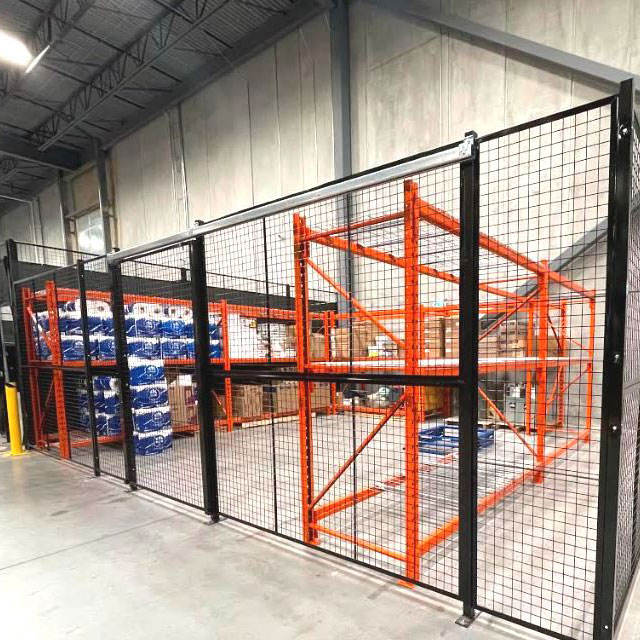
Fire codes in most jurisdictions (AS 4084, EN 15512, NFPA 101) require storage lockers to allow sprinkler water penetration. Wire mesh lockers meet this requirement inherently due to their open construction. Solid steel lockers must be modified with drain holes or perforations to comply, adding cost and complexity. For apartment buildings subject to fire code audits, wire mesh eliminates compliance headaches and reduces liability exposure.
Compliance checklist:
- Wire mesh: Automatic sprinkler compliance (no modifications needed)
- Solid steel: Requires drain holes or perforations (additional cost ~USD 15–30 per unit)
- Both types: Must allow 18 inches clearance from ceiling for sprinkler activation
